Product Decoder: Messenger's Unbundling Strategy and Quoted Reply Feature Analysis
As a PM, I always like to view products from a user’s perspective. This time, I’d like to analyze a product I consider to be excellent — Messenger.

I. Messenger’s Unbundling from the Facebook App #
Messenger was originally a messaging feature within Facebook, but around 2015, Facebook unbundled it, requiring users to download a separate app to use it.
Frankly, I found it inconvenient at the time, wondering why I needed two separate apps from the same company (Facebook: mainly for browsing the feed / Messenger: mainly for communication).
In hindsight, however, this turned out to be a brilliant move.
The User’s Perspective #
From a user’s point of view, a primary need is to communicate and share information with my friends.
If Messenger were still bundled within the Facebook app, how many steps would it take to communicate with a friend?
- Open the Facebook app
- Open Messenger
- Find my friend
- Start communicating
With Messenger as a standalone app, how many steps does it take?
- Open Messenger
- Find my friend
- Start communicating
Don’t underestimate this one-step difference. Because the Facebook app had to accommodate both the News Feed and Messenger, its layout was bound to be complex to support so much content. Consequently, finding the entry point for Messenger within the Facebook app was less user-friendly.
The Product Manager’s Perspective #
Because of this friction, from a PM’s perspective, if Messenger hadn’t been unbundled from Facebook, its retention rate would certainly not be as high as it is today.
From both the user’s and the PM’s perspective, unbundling Messenger from Facebook was a brilliant move.
II. Quoted Replies #
This is my favorite feature in Messenger, and I consider it one of the best designs ever. The core function of Messenger is to converse with people. In a conversation, there’s often back-and-forth, or I might want to reply to a specific message from earlier. This is where the “quoted reply” feature shines.
There are three aspects of Messenger’s quoted replies that I find brilliant:
(1) A Highly Intuitive Interaction #
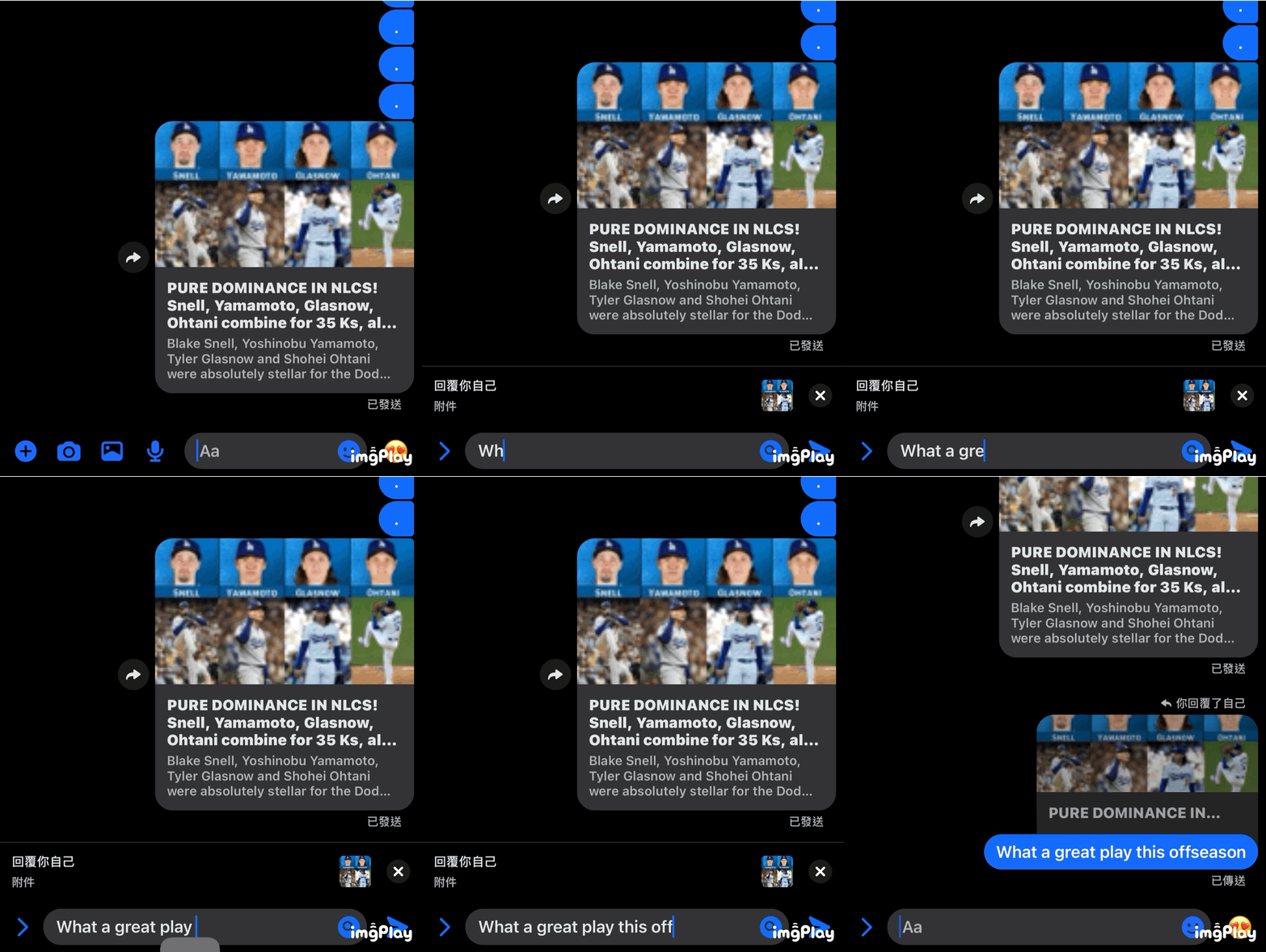
Unlike other apps, using quoted replies in Messenger doesn’t require a long press, waiting for a pop-up, and then selecting the ‘reply’ option. You simply swipe left or right on the message you want to quote (depending on whether it’s your message or your friend’s). This is incredibly intuitive and eliminates tedious steps.
(2) The Visual Presentation of the Quoted Reply #
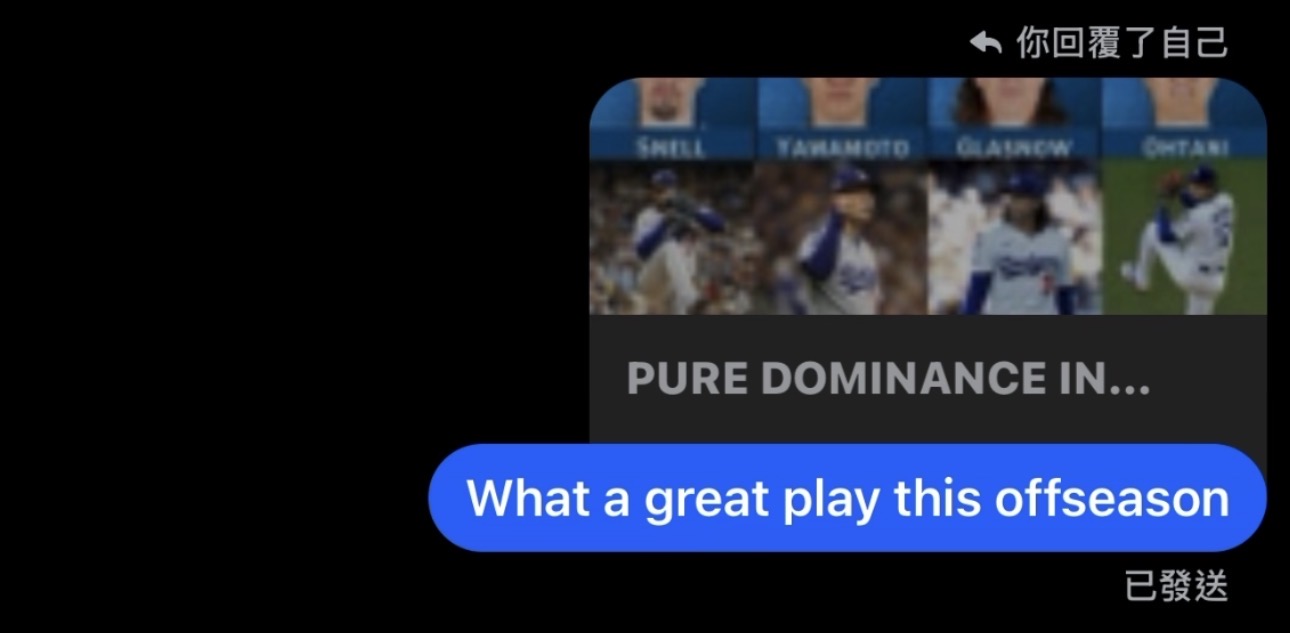
The visual presentation of a quoted reply in Messenger appears as a smaller, lighter-colored container above your reply, displaying the original message (and it even shows a thumbnail for images or links!).
The advantage of this is that the user can immediately see the context of the reply at a glance. This avoids the need to scroll up to find the original message, as required in other apps, elevating the user’s reading experience and efficiency to another level.
(3) The Subsequent Interaction of Tapping the Quoted Message #
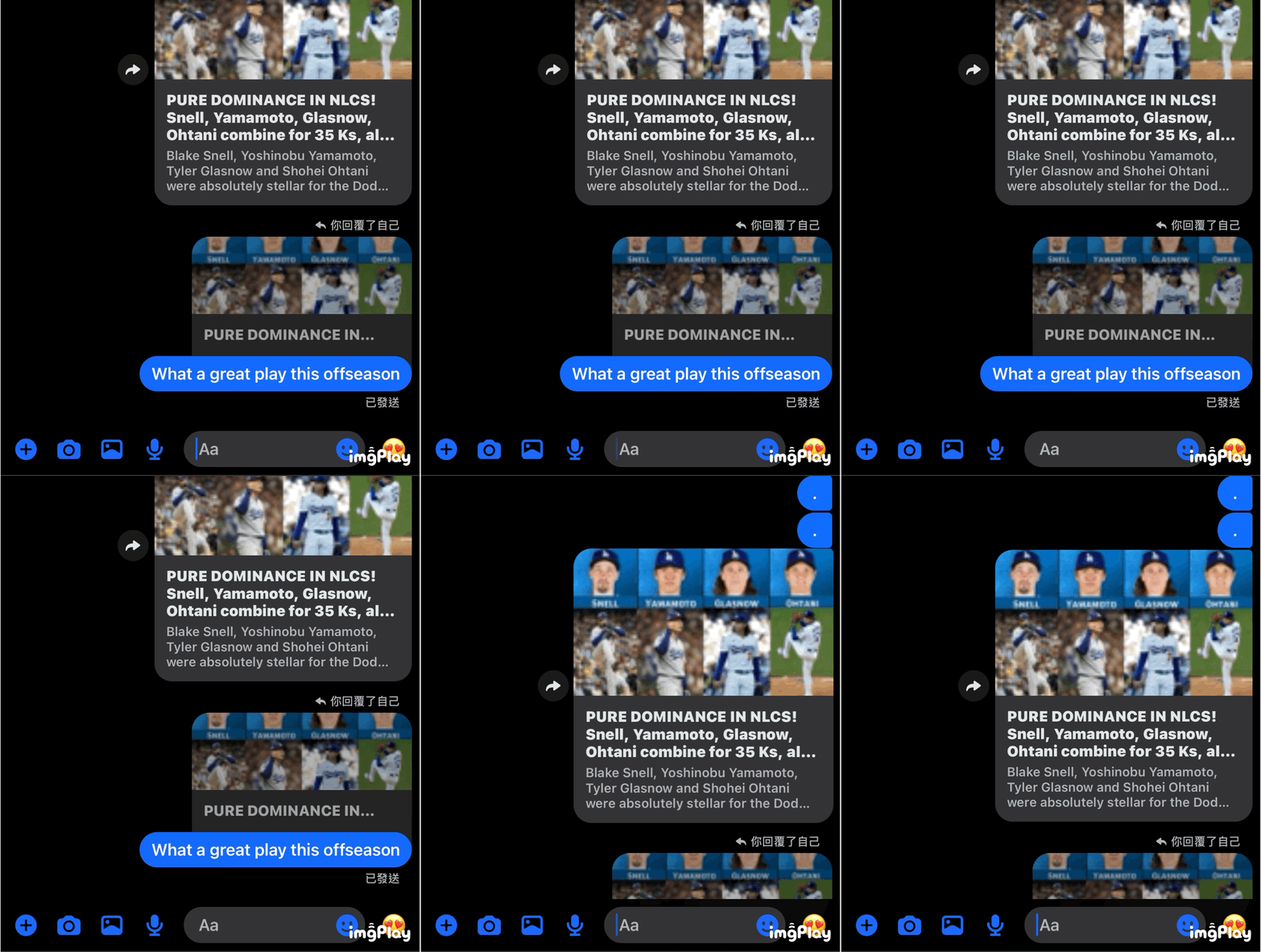
In Messenger, if a user wants to see the original quoted message, they just need to tap on the small quote container, and the app automatically scrolls up to the original message’s location.
This allows the user to quickly see the surrounding context of the original message. If the quote is a link, the user can easily return to the original message to click it. This interaction is extremely intuitive and enhances the efficiency of reading messages, significantly improving the user experience.
For these three reasons, I believe the “quoted reply” is a highly intuitive and well-designed interaction feature that greatly enhances the user experience. It’s a major reason why I consider Messenger to be such a great product.
© Chung-Hao Lee. All Rights Reserved.
All content on this webpage—including but not limited to text, images, design, code, and multimedia materials—is protected under the international copyright treaties. Unauthorized reproduction, modification, distribution, public transmission, or commercial use is strictly prohibited. Legal action will be taken against infringement.
© 李崇豪。保留所有權利。
本網頁之內容(包括但不限於文字、圖片、設計、程式碼及多媒體素材)均受國際著作權條約保護。未經書面授權,嚴禁任何形式之複製、改作、散布、公開傳輸或商業利用。侵權者將依法追訴。